
Stories
Announcing The 2026 Rita Allen Foundation Scholars
Seven pioneering scientists selected for major biomedical research grants.
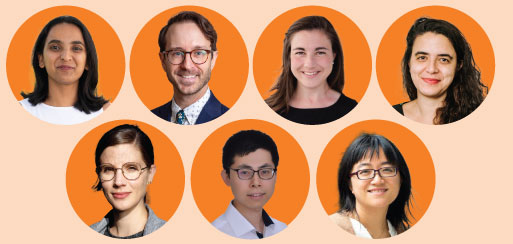
The Rita Allen Foundation has named its 2026 class of Rita Allen Foundation Scholars, celebrating seven early-career leaders in the biomedical sciences whose research holds exceptional promise for revealing new pathways to advance human health.
The selected Scholars will receive grants of up to $110,000 annually for up to five years to conduct innovative research in neuroscience, cancer, immunology, and pain. The topics they will pursue include: how specialized brain regions selectively exchange substances with blood and what this means for drug delivery to the brain; how interactions between GPCRs and neighboring cell membranes regulate signaling and how this could unlock new drug targets for cancer, autoimmunity, and cognitive disorders; how ancient, repurposed “jumping genes” protect critical neuronal genes during brain development; the mechanism of T-cell tolerance induction in the human thymus and its consequences for autoimmunity and immunodeficiency; the development of mass spectrometry– and machine learning–based approaches to decode how metabolism regulates protein function and to guide the design of small molecules for treating aging, metabolic disease, and cancer; and, in separate projects, how T cells and B cells each contribute to neuropathic pain and point toward new immune-based therapies.
“This year’s class of Rita Allen Foundation Scholars is exploring some of the most consequential questions in biomedical research today, from how the immune system shapes our experiences of pain, to how the body’s own molecular machinery might be redirected to fight cancer and metabolic disease. They represent the future of their fields, bringing creativity and multidisciplinary perspectives to their work,” said Elizabeth Good Christopherson, President and Chief Executive Officer of the Rita Allen Foundation. “What unites them is a commitment to pursuing ideas that are ambitious because the problems they are addressing in the fields of cancer, neuroscience, immunology, and pain have proven resistant to easy answers. The Rita Allen Foundation is honored to support these visionary scientists.”
Since 1976, the Rita Allen Foundation has invested in more than 225 biomedical scientists at the early stages of their careers, enabling them to pursue research with above-average risk and promise. Scholars have gone on to make fundamental contributions to their fields of study and have won recognition including the Nobel Prize in Physiology or Medicine, the National Medal of Science, the Wolf Prize in Medicine, the Lasker-Koshland Special Achievement Award in Medical Science, and the Breakthrough Prize in Life Sciences.
The 2026 Scholars were nominated by research institutions across the United States for their promising work in the fields of neuroscience, cancer, and immunology, and were selected by the Rita Allen Foundation’s Scientific Advisory Committee of leading scientists and clinicians.
The investigators selected to receive the Rita Allen Foundation Scholars Award in Pain were chosen by a review committee of the U.S. Association for the Study of Pain (USASP), including previous Rita Allen Pain Scholars and other leaders in the field. Offered in partnership with USASP, the Rita Allen Foundation Scholars Award in Pain supports investigators whose research on the biology of pain holds exceptional promise for revealing new pathways to understand and treat pain conditions.
The seven pioneering early-career researchers selected as 2026 Rita Allen Foundation Scholars are:
Wendy Yue, University of California, San Francisco; Milton E. Cassel Scholar
Aakanksha Jain, University of Washington; Award in Pain
Michael J. Lacagnina, Cincinnati Children’s Hospital Medical Center; Award in Pain
Naomi R. Latorraca, Columbia University
Eirene Markenscoff-Papadimitriou, Cornell University
Hannah Meyer, Cold Spring Harbor Laboratory
Haopeng Xiao, Stanford University
Below, these newest Rita Allen Foundation Scholars offer a window into their current research, as well as reflections on their pathways to discovery science:
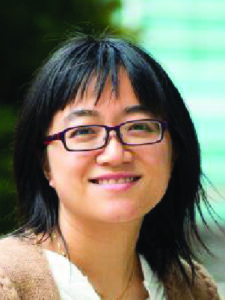
Wendy Yue, University of California, San Francisco
Assistant Professor, Physiology
Milton E. Cassel Scholar
B.S., University of Hong Kong
Ph.D., Johns Hopkins University, School of Medicine
Most brain blood vessels are sealed by a tight barrier that protects the brain from harmful substances circulating in the blood. However, this barrier also limits the passage of many potential medicines, making it difficult to treat neurological diseases. Not all brain regions follow this rule, however. A handful of specialized areas lack this conventional barrier because they need to sense chemical signals from the body and release hormones into the bloodstream to regulate vital functions. The walls of blood vessels in these regions contain unique molecular structures that allow selective exchange between blood and brain tissues. Yet, despite their importance, the molecular identity and working principles of these structures remain poorly understood. Wendy Yue’s lab at UCSF aims to determine what these structures are made of and what governs their selectivity, knowledge that could guide the rational design of drugs capable of reaching the brain.
What will funding from the Rita Allen Foundation allow you to do?
The Rita Allen Foundation’s support will allow us to pursue a direction that is genuinely new for my lab, requiring techniques and approaches well beyond our current scope. The five-year commitment gives us the continuity to see this high-risk project through. Equally important is the community this program offers, with its emphasis on broad questions about how the brain communicates with the body, which is exactly the intellectual home our work needs.
How did you enter this career path? Was there anyone or anything that particularly inspired you?
My path into science began with a fascination with how perception and behavior arise at molecular and cellular levels. As a graduate student with King-Wai Yau at Johns Hopkins, I learned to do science with rigor and quantitative precision. King instilled in me the belief that asking precise questions and building the tools to answer them unambiguously is what drives science forward. My postdoctoral work with David Julius at UCSF taught me something complementary: the courage to follow curiosity across boundaries. David’s lab has never been constrained by a single system or question, and working there gave me the confidence to keep asking what matters most, even when it means stepping into unfamiliar territory.
Could you share any interesting science media you currently enjoy, such as a book, podcast, film, or social media channel?
All sorts of biographies because they show that great work can come from remarkably diverse personalities and paths. The YouTube channel Chubbyemu, because clinical cases keep me connected to the human side of physiology.
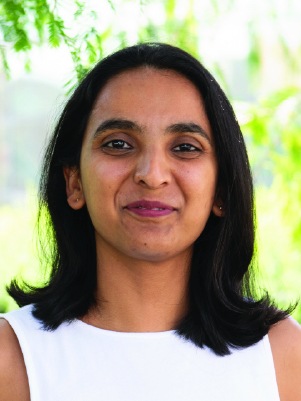
Aakanksha Jain, University of Washington
Assistant Professor, Immunology
B.Tech., National Institute of Technology, Warangal, India
Ph.D., University of Texas Southwestern Medical Center
Neuropathic pain has long been viewed as a disorder of the nervous system alone. However, growing evidence shows that the immune system plays a critical role in driving pain, yet efforts to target it remain limited by an incomplete understanding of neuroimmune interactions. Our research focuses on defining the cellular and molecular pathways through which immune cells regulate pain through their interactions with sensory neurons. In particular, we study T cells, which are best known for their roles in fighting infection and cancer and driving autoimmunity. We have found that T cells infiltrate damaged nerves and exhibit features strikingly similar to those seen in autoimmune diseases. These findings raise the possibility that nerve injury triggers an autoimmune-like response that contributes to chronic pain. We aim to apply principles from autoimmune disease research to understand mechanisms of neuropathic pain with the long-term goal of immune-based therapies for chronic pain.
What will funding from the Rita Allen Foundation allow you to do?
Support from the Rita Allen Foundation enables me to pursue ambitious, high-risk research directions as I set up my independent program. It will provide the flexibility to explore new ideas at the intersection of neurobiology and immunology that are not easily supported through traditional funding. Receiving this support at a formative stage is highly motivating, and I am excited to be part of this exceptional research community and to connect with collaborators and mentors.
How did you enter this career path? Was there anyone or anything that particularly inspired you?
I have always loved problem solving and figuring out how things work, and I was excited to realize I could build a career around this as a scientist. I am generally drawn to interesting questions, but my specific career path has been strongly shaped by my mentors, Chandrashekhar Pasare and Clifford Woolf. They encouraged me to pursue important questions without being limited by my current skill set or by artificial boundaries between fields such as immunology and neuroscience. They also taught me that the most powerful experiments are often the simplest ones. Their guidance continues to shape how I think about my own research and how I mentor my trainees.
Could you share any interesting science media you currently enjoy, such as a book, podcast, film, or social media channel?
Hidden Brain on NPR.
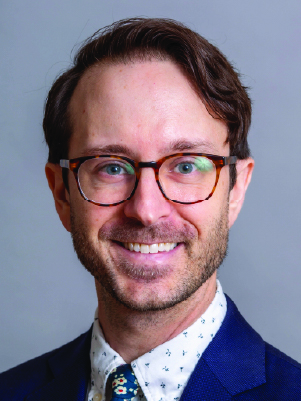
Michael J. Lacagnina, Cincinnati Children’s Hospital Medical Center
Assistant Professor, Department of Anesthesia
B.S., Arizona State University
Ph.D., Duke University
Immune cells and sensory neurons are in constant communication to coordinate host defense, but how this cellular conversation shapes sensory processing in health and disease remains an open question. To this end, the Lacagnina Lab is dedicated to unraveling how neuroimmune signaling influences the development and maintenance of chronic pain. We are particularly interested in exploring the role of B cells and their release of autoantibodies in the etiology of neuropathic pain. While the importance of B cells in autoimmune disease is well established, their contribution to nerve-injury-induced pain is largely unexplored. We aim to overcome this knowledge gap by deciphering how B cells communicate with neurons, glial cells, and other immune cells across tissues to shape pain pathogenesis, and by leveraging these discoveries to inform rational design of effective pain immunotherapies.
What will funding from the Rita Allen Foundation allow you to do?
The generous support from the Rita Allen Foundation will allow us to deconstruct the origin of pain-promoting B cells across peripheral and central tissues. In addition, this award facilitates our efforts to characterize how autoantibody production from discrete populations of B cells can elicit pain hypersensitivity. The outcomes of this project could reveal if tissue-specific, autoimmune B-cell responses are critical drivers of neuropathic pain, enabling the development of improved pain therapeutics.
How did you enter this career path? Was there anyone or anything that particularly inspired you?
My career path is deeply indebted to my research mentors. When I was still an inexperienced undergraduate, Ron Hammer and Ella Nikulina took a risk on me and were the first to show me I belonged in science. My Ph.D. advisor, Staci Bilbo, deserves all the credit for instilling in me a passion for neuroimmunology. And my postdoctoral mentor, Peter Grace, is an inspirational scientist who taught me everything I know about pain research and building a successful, supportive lab environment. These wonderful people inspire me to be a better person, and I strive to return their generosity to the trainees in my lab.
Could you share any interesting science media you currently enjoy, such as a book, podcast, film, or social media channel?
When We Cease to Understand the World by Benjamín Labatut, a wild novel about scientific discovery and its consequences, where the lines between fact and fiction progressively blur. Also, House of Leaves by Mark Z. Danielewski is the best.
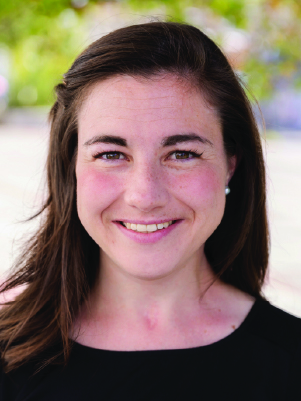
Naomi R. Latorraca, Columbia University
Assistant Professor, Department of Biochemistry and Molecular Biophysics
B.A./B.S., University of Pittsburgh
Ph.D., Stanford University
The 800 human G protein–coupled receptors (GPCRs) represent molecular targets for various human diseases, from cognitive disorders to autoimmunity and cancer. In canonical GPCR signaling, diffusible ligands bind GPCRs to turn on signaling networks within the cell. GPCRs also interact with proteins on neighboring cell membranes to organize cellular contacts, but whether and how these interactions regulate GPCR signaling remains poorly understood. Our long-term objective is to harness such interactions to develop novel GPCR-targeted therapeutics, focusing on two questions: How do transcellular modulators alter the signaling profile of a GPCR and its sensitivity to known drugs? And how do adhesive forces at cellular interfaces modulate GPCR signaling? We monitor conformational changes in membrane-bound receptors using single-molecule fluorescence and integrate these measurements with physics-based simulations of receptor activation and signaling assays. Collectively, these data will identify new strategies and targets for modulating GPCR signaling in the lab and the clinic.
What will funding from the Rita Allen Foundation allow you to do?
The generous funding from the Rita Allen Foundation will enable our lab to pursue ambitious projects that expand our work beyond model systems of membrane protein signaling, thereby illuminating new disease-relevant targets, states, and pathways. This support and freedom will allow us to apply a wide range of biophysical tools to these challenging biological systems, enabling us to resolve molecular motions across spatial and temporal scales. Ultimately, we hope to develop real-time animations of the molecular machinery that transduces extracellular cues across the membrane to initiate signaling that will reveal new insights into mechanisms that control cellular homeostasis and human physiology.
How did you enter this career path? Was there anyone or anything that particularly inspired you?
I live with a chronic medical condition whose genetic basis was not discovered until I was in middle school. This discovery catalyzed my fascination with the idea that minute changes at the molecular level—in my case, the insertion of extra nucleotides in a gene—could have such a profound impact on human biology. I am grateful to so many people for shaping my scientific journey: my family, for valuing curiosity and learning; my undergraduate research mentor, Michael Grabe, for cultivating my nascent interest in computational biology; my Ph.D. advisor, Ron Dror, for his unwavering belief in my abilities as a scientist; and my postdoctoral advisors, Susan Marqusee and Udi Isacoff, for expanding my scientific horizons and supporting my growth toward an independent career.
Could you share any interesting science media you currently enjoy, such as a book, podcast, film, or social media channel?
My lab members introduced me to the fantastic podcast Phase Space Invaders, which features interviews with scientists working at the intersection of computational biology and biophysics.
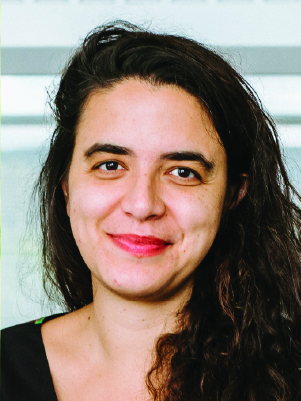
Eirene Markenscoff-Papadimitriou, Cornell University
Assistant Professor, Department of Molecular Biology and Genetics
B.A., Harvard College
Ph.D., University of California San Francisco
Neurons are unusual cells: We’re born with them and keep the same ones for life, with no possibility of replacement or regeneration. This creates unique pressures on how their genes are switched on and off. Many neuronal genes are extraordinarily long, stretching over 100,000 DNA nucleotides, which makes them hard for the cell to read. They also sit in a precarious spot in the genome, right at the border between “open” DNA that can be read, and tightly packed “silent” DNA. This puts them at constant risk of being silenced, especially during development, when such mistakes can have lifelong consequences.
My lab studies a family of genes that evolved from ancient “jumping genes,” or transposable elements, that we are finding help keep vulnerable neuronal genes readable and expressed in the developing brain. One example is POGZ, a gene evolved from a transposon 500 million years ago that is mutated in White-Sutton syndrome, a syndromic form of intellectual disability. We think these repurposed ancient genes act as protectors, shielding the long, fragile genes neurons depend on to build and wire the brain.
What will funding from the Rita Allen Foundation allow you to do?
This funding gives my lab the freedom to pursue a bold idea: that genes our ancestors acquired from ancient “jumping genes” have been repurposed to assist neurons as they coordinate gene expression to build the brain during development. Testing this idea requires combining genetics, biochemistry, and genomics in ways that are hard to support through traditional grants. The Rita Allen award lets us take risks, follow surprising results, take on technically demanding experiments, and train the next generation of scientists to think creatively about how evolution has shaped the brain.
How did you enter this career path? Was there anyone or anything that particularly inspired you?
Both my parents are scientists, so I grew up thinking that life is about posing hard questions and thinking about them for years. They gave me the motivation to be a scientist and the belief that it is truly a privilege to do this work. My interest in molecular biology was accidental: As an undergraduate I worked in the lab of Sydney Kustu at UC Berkeley. For one summer she took me under her wing and opened up the world of the cell where tiny molecular machines move DNA around. I was hooked. She also helped me believe in myself and instilled the conviction that curiosity and outside-the-box thinking are what drive great innovations in biology. Michael Greenberg later introduced me to the world of molecular neuroscience and helped me start to articulate the questions that drive my research today.
Could you share any interesting science media you currently enjoy, such as a book, podcast, film, or social media channel?
The paintings and watercolors of Hilma af Klint. She was an early 20th-century Swedish abstract painter whose vision of science feels strikingly current today.
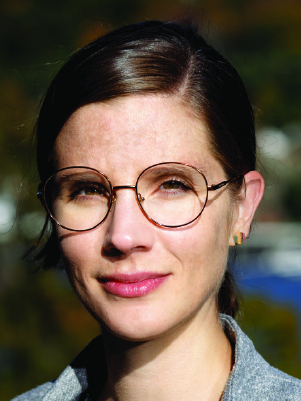
Hannah Meyer, Cold Spring Harbor Laboratory
Assistant Professor, Simons Center for Quantitative Biology
B.S., Heidelberg University, Germany
M.Sc., Heidelberg University, Germany
Ph.D., Cambridge University, United Kingdom
The immune system exists in an intricate balance. Inappropriate response to the body’s own antigens leads to autoimmunity, but a lack of appropriate response to foreign invaders results in immunodeficiency. The thymus plays a key role in establishing this balance by presenting the body’s self-antigens to developing T cells in a process called central tolerance induction. The overarching objective of the Meyer lab research program is to understand T-cell tolerance induction in the human thymus and its functional consequences. Thus far, insights into human thymus function have been mostly descriptive. The Meyer lab seeks to significantly extend this understanding by conducting mechanistic and functional studies of human thymus physiology, leveraging in silico and statistical models, genomics, and advanced imaging technologies.
What will funding from the Rita Allen Foundation allow you to do?
The generous support by the Rita Allen Foundation will allow me to pursue bold research ideas that I would not have the freedom to conduct with traditional funding.
How did you enter this career path? Was there anyone or anything that particularly inspired you?
I was the first in my family to earn a university degree. At university, I immersed myself in science, working as a research assistant, exploring a biotech company, and participating in the international synthetic biology competition, iGEM. During my master’s research analyzing high-dimensional thymic gene expression data, I found my focus: T-cell diversity, their role in disease, and their therapeutic potential. Two exceptional mentors, Benedikt Brors and the late Bruno Kyewski, showed me how immunology and computational biology can unite to answer these questions. More importantly, they believed I could work at this cross section, giving me confidence to pursue this research, now as an independent investigator.
Could you share any interesting science media you currently enjoy, such as a book, podcast, film, or social media channel?
I am a huge fan of science podcasts, with weekly staples Curious Cases and Radiolab (which made it very special to be featured in the episode “My Thymus, Myself,” radio edition).
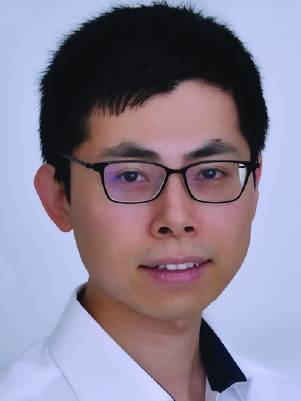
Haopeng Xiao, Stanford University
Assistant Professor, Department of Biochemistry and Stanford Cancer Institute
B.A./B.S., Peking University, China
Ph.D., Georgia Institute of Technology
While the concept of metabolite signaling has transformed the metabolism field, a systematic and mechanistic understanding of how proteins and metabolites are co-regulated remains lacking. We develop mass spectrometry– and machine learning–based approaches to define how metabolism regulates protein function in vivo and how disease rewires protein-metabolite relationships.
In parallel, we recognized that endogenous metabolite regulation of protein function is conceptually analogous to pharmacological modulation of proteins by small molecules. This insight motivated my lab to develop mass spectrometry–based technologies to study small molecule–protein interactions, redefine protein ligandability and druggability, and to train machine learning models based on these datasets to guide the design of small molecules that modulate protein function. Ultimately, we aim to leverage these models to develop translational therapeutics for aging, metabolic disease, and cancer.
What will funding from the Rita Allen Foundation allow you to do?
Funding from the Rita Allen Foundation provides us with the freedom to boldly pursue a deeper understanding of protein function and druggability across the human proteome by uncovering how proteins and small molecules work together in physiology and disease.
How did you enter this career path? Was there anyone or anything that particularly inspired you?
I was brought to this career path by exceptional scientists. My Ph.D. advisor, Ronghu Wu, introduced me to proteomics and opened my eyes to the power of technology in accelerating biological discovery. A single mass spectrometry experiment can generate data equivalent to thousands of western blots, with greater quantitative accuracy. Over time, I came to appreciate that technological innovation is most impactful when deployed to address important but unresolved biological questions. This realization led me to the field of metabolism, a field rich in biomedical significance yet limited by available investigation tools. To pursue this direction, I joined the newly established lab of Ed Chouchani. From Ed, I learned how to identify important biological questions that have remained challenging due to technical limitations, how to think mechanistically about biology, and how to approach science with an open mind and positivity. During this time, I also had the opportunity to work with and receive mentorship from Steve Gygi and Bruce Spiegelman, who shaped how I think about mass spectrometry, molecular metabolism, and scientific reasoning more broadly. Their mentorship fundamentally shaped how I approach science and the questions we pursue today.